
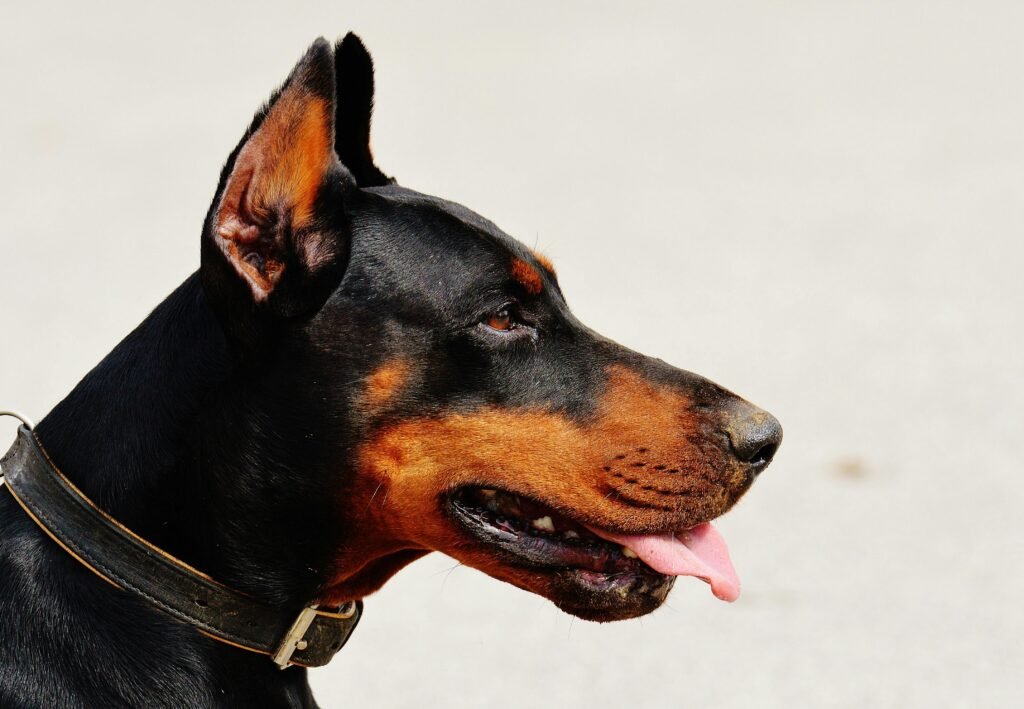
Temperament, Care, Health Risks and Is This the Right Dog for You
Before choosing a Doberman, you should understand one important thing. This is not a breed you can learn as you go. A Doberman needs structure, training, and an owner who understands what this dog was bred for.
Many people love their elegant look, confidence, and loyalty. But behind that beauty stands a working dog with strong instincts, high intelligence, and very specific needs. This guide will help you understand the Doberman breed, their personality, their health risks, and what it really means to live with one.
If you are not sure how to choose the right breed, read our guide about choosing the right dog for your lifestyle.
What the Doberman was bred for
The Doberman Pinscher comes from Germany. Breeders created this dog as a protection and working breed. The goal was to produce a dog that is intelligent, fearless, loyal, and able to react quickly.
Because of this history, the Doberman is not a passive dog. This breed needs mental work, physical activity, and clear leadership. Without these things, the dog can become nervous or frustrated.
A well raised Doberman is calm, stable, and deeply devoted to its family. A poorly raised Doberman can become anxious or difficult to manage. In most cases, the difference comes from training, lifestyle, and experience of the owner.
You can also learn more about breed differences in our article about FCI dog groups.
Basic facts about the Doberman
The Doberman is a medium to large breed with an athletic body and elegant appearance.
Males usually weigh between 40 and 45 kilograms. Females are slightly smaller.
The average lifespan is about 10 to 12 years, although heart disease can shorten it.
Their short coat is easy to maintain, but Dobermans do not tolerate cold weather very well. In winter they often need extra protection.
Temperament and personality
Dobermans are very intelligent and form a strong bond with their owner. They learn fast and enjoy working with people. Many of them stay playful and energetic even as adults.
With proper socialization, they can live well with children and other dogs. However, they need consistent training and clear rules. This breed does not do well without guidance.
Dobermans are also very sensitive dogs. They react strongly to their environment and to the behavior of their owner. Calm and confident handling works best. Harsh or inconsistent training can make the dog insecure.
Because of their intelligence, Dobermans enjoy obedience, dog sports, and structured activities. They are happiest when they have something to do.
Natural ears, tail, and appearance
Many people know Dobermans with cropped ears and docked tails. In many countries these procedures are no longer allowed. Naturally, Dobermans have soft ears and a long tail.
In the past, these changes were done for working purposes. Today many owners prefer the natural look.
Who this breed is for and who it is not for
The Doberman is best for people who have time, patience, and interest in training their dog. This breed needs daily activity, mental stimulation, and close contact with its family.
It is not a good choice for owners who want a dog that needs little attention. It is also not ideal for people who are away from home most of the day.
A Doberman can be an excellent companion for active and responsible owners. But it is not the right breed for everyone.
Choosing the wrong breed often leads to stress for both the dog and the owner. Before getting a puppy, it is also important to understand ethical breeding and responsible ownership.
Care needs and daily life
Dobermans need regular exercise and mental work. A short walk is usually not enough. Training, games, and structured activity help keep them balanced.
They also need close contact with their family. This breed does not do well when left alone for long periods.
Good nutrition and regular veterinary care are important. Because the breed has several health risks, owners should not skip checkups.
With proper care, Dobermans can be joyful, playful, and very loyal companions.

Health problems in Dobermans
Dobermans are strong dogs, but they have several genetic risks. Every future owner should know this before choosing the breed.
The most serious problem is dilated cardiomyopathy, also called DCM. Around sixty percent of Dobermans have a genetic risk for this heart disease. It can appear suddenly and may cause collapse or heart failure. Because of this, regular heart exams are very important.
Another known condition is Wobbler syndrome. This affects the spine and can cause weakness and unstable walking.
Dobermans can also have Von Willebrand disease. This problem affects blood clotting and can cause heavy bleeding after injury.
Like many deep chested breeds, Dobermans can suffer from gastric torsion, also called bloat. This is a life threatening emergency that needs immediate veterinary help.
Other problems include hip issues, thyroid disorders, and eye diseases that can lead to vision loss.
Some coat colors, especially blue and fawn, can cause skin problems called color mutant alopecia. This condition causes hair loss and skin infections. It cannot be cured, but good care can help control symptoms.
More information about the official breed standard can be found on the American Kennel Club website.
Why responsible breeding is very important for this breed
Because Dobermans have several genetic risks, responsible breeding is extremely important.
Good breeders test their dogs for heart disease, blood disorders, and other inherited problems. They plan litters carefully and choose parent dogs with stable temperament and good health.
Irresponsible breeding increases the risk of serious disease and behavior problems. This is one reason why some Dobermans suffer from preventable health issues.
Choosing a responsible breeder gives your dog a better chance for a long and healthy life.
Final thoughts
The Doberman is an extraordinary breed. Intelligent, loyal, playful, and deeply connected to its family. But this is also a dog that needs knowledge, time, and responsibility.
Before choosing a Doberman, be honest about your lifestyle and your experience. Learn about their needs, their health risks, and their personality.
When the right dog meets the right owner, the Doberman can be one of the most rewarding companions you can have.
The right choice always starts with understanding.